Introduction
A question I came across recently stuck with me. Someone said they have wanted to get into CNCF and KubeCon since their first year, but never found mentorship or community help. They had even tried reaching out to a well known name in the space and never got a reply.
That is not a rare story. It is the default experience for most people trying to break into cloud native. There is no single door you walk through, no official “start here” button, and the people who look most active in the community are usually buried in their day jobs, maintainer duties, and their own conference prep. A DM going unanswered is not rejection, it is just noise volume.
Note
This post isn’t affiliated with or endorsed by CNCF. It’s written from my own experience as a community member, so double-check current details on the official CNCF/LFX pages before applying.
The good news is you do not need a mentor to get started. You need a sequence of small, concrete actions. Here is the path I would tell my younger self to follow.
Why CNCF Feels Intimidating at First
The Cloud Native Computing Foundation runs a landscape of 200+ projects, from Kubernetes down to tools most people have never heard of. Walk into that landscape diagram cold and it looks like a wall of logos with no entry point.
The trick is to stop treating CNCF as one thing you need to understand. It is a foundation that hosts many independent project communities, each with its own Slack channel, maintainers, and contribution process. You do not join CNCF. You join one project, one channel, one local meetup at a time.
Step 1: Join the CNCF Slack
This is the actual front door, not KubeCon itself. The CNCF Slack workspace hosts channels for individual projects (#kubernetes-users, #argo-general, #prometheus), working groups, and regional community groups.
Tip
Join at slack.cncf.io. Pick two or three channels relevant to what you already work with day to day, not every channel at once. Update your profile with your interests so people can find you by topic instead of by name.
Lurk for a week. Read how people ask questions and how maintainers respond. Then ask your own question. Most channels are far more patient with beginners than the polished conference talks make the community look.
Step 2: Find a Local KCD Before You Chase KubeCon
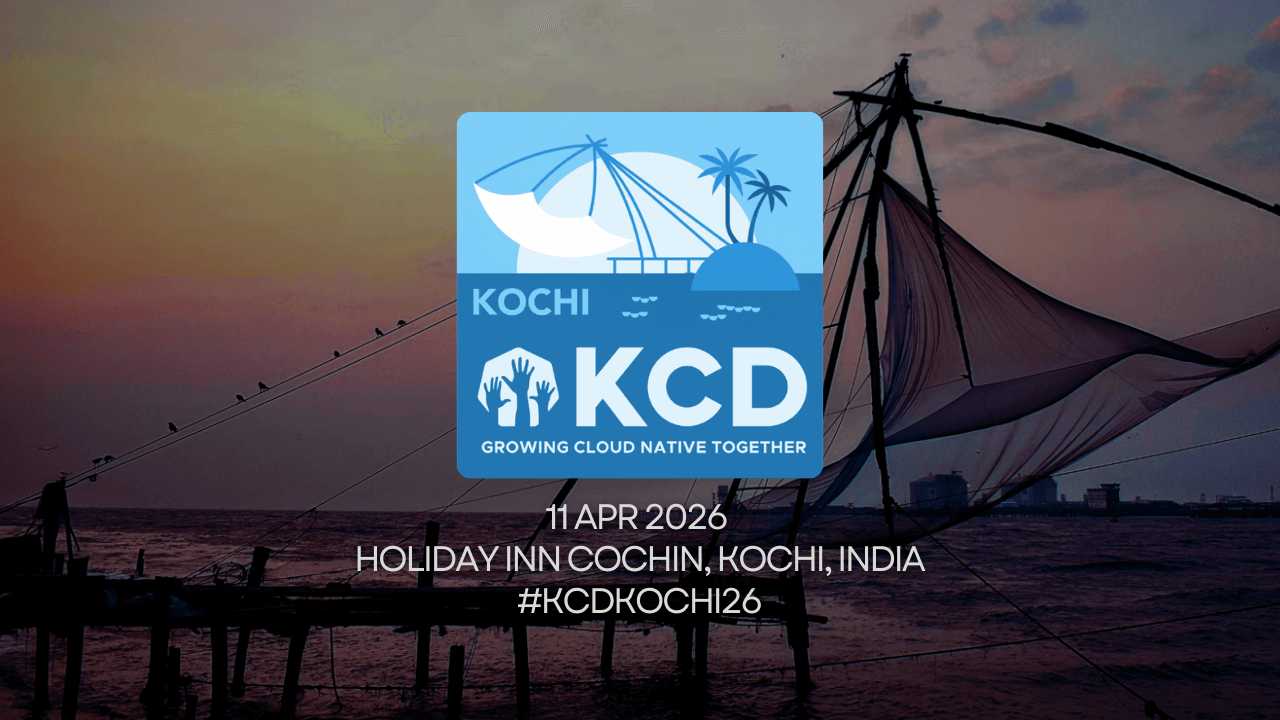
Kubernetes Community Days (KCD) are regional, CNCF supported, volunteer organized events. They are smaller, cheaper or free, and far easier to get real conversations at than a KubeCon with 12,000 attendees.
I support, promote, and encourage the community to attend KCD events in India, and the pattern is always the same. The people who get noticed are not the ones with the best questions, they are the ones who show up, volunteer for something small like registration or AV, and keep showing up. Volunteering at a KCD is one of the fastest ways to end up in the same room as organizers and speakers, without needing an introduction.
If there isn’t a KCD near you yet, that is not a dead end either. The CNCF Community Groups program supports organizers starting new chapters, and starting one yourself is its own credibility builder.
Step 3: Make a Non-Code Contribution First
Most beginners assume contributing means submitting Kubernetes source code on day one. It does not, and trying that first is a good way to get discouraged fast.
Start with:
- Fixing a broken link or unclear sentence in a project’s documentation
- Answering a question you already know the answer to in a project Slack channel
- Triaging an issue: reproducing a bug report and adding details for maintainers
- Reviewing an open pull request and leaving a genuine comment
Before you even pick a project, CLOTributor (clotributor.dev) is a fast way to browse beginner-friendly issues across all CNCF projects at once, filtered by language or skill level.
Every CNCF project has a contributor guide in its GitHub repo, usually a CONTRIBUTING.md file. Read it before you do anything else. It tells you exactly how that specific project wants new contributors to show up, and skipping it is the most common beginner mistake. I break this down step by step, including how to handle the DCO sign-off, in How to Make Your First CNCF Project Contribution.
Step 4: Apply for LFX Mentorship When a Term Opens
LFX Mentorship is the Linux Foundation’s structured, paid mentorship program, and CNCF runs it across three terms a year: Spring (March to May), Summer (June to August), and Fall (September to November). Mentee applications open roughly four weeks before each term and projects post specific ideas you can apply against, rather than a generic “mentor me” request.
A few practical points:
- You apply through the LFX Mentorship platform, not by cold messaging a maintainer
- You can apply to a maximum of three programs per term
- Strong applications usually show that the applicant already read the project’s docs, tried running it locally, and has a specific idea of how they would approach the proposed task
CNCF is also a Google Summer of Code mentoring organization most years, which is another structured path with a similar apply-to-a-listed-project model.
I go deeper into exactly how to pick a project and what makes an application stand out in LFX Mentorship: How to Apply and What Actually Gets You Selected.
Step 5: Use ContribFest and Peer Mentorship at KubeCon Itself
Once you do attend a KubeCon + CloudNativeCon, do not just sit in keynote sessions. ContribFest is a dedicated track built specifically for people who want to contribute but do not know where to start, and you generally do not need prior contribution experience to join a session. Peer Group Mentorship sessions pair small groups of attendees with experienced contributors and maintainers for structured conversations, which is a far more reliable way to get facetime with someone experienced than hoping a DM gets answered.
Also worth checking: the CNCF Students program if you are still in college, built specifically to help students find mentorship pathways and campus community groups.
Common Mistakes Beginners Make
- Trying to DM well known maintainers or speakers cold, instead of engaging in the public channels they are already active in
- Aiming straight for a KubeCon talk submission before ever making a small contribution
- Trying to read the entire CNCF landscape instead of picking one project and going deep
- Skipping the CONTRIBUTING.md and asking questions already answered in project docs
- Waiting for an invitation instead of volunteering at a local KCD
Conclusion
Nobody in this community is gatekeeping you on purpose. The honest reason mentorship feels hard to find is that it is not handed out, it is built through small, visible, repeated participation. Join the Slack, show up to a local KCD, fix one doc typo, apply to one LFX project idea when the term opens. None of these steps require anyone’s permission or reply.
If you have been stuck the way that LinkedIn comment described, this is the actual sequence. Start with step one this week.
Happy Engineering!
Gineesh Madapparambath
Gineesh Madapparambath is the founder of techbeatly. He is the co-author of The Kubernetes Bible, Second Edition and the author of Ansible for Real Life Automation. He has worked as a Systems Engineer, Automation Specialist, and content author. His primary focus is on AI, Ansible Automation, Containerization (OpenShift & Kubernetes), and Infrastructure as Code (Terraform). (Read more: gineesh.com)
 The Desk